
The new Obstacle Limiting Surfaces - ICAO
Obstacle Limitation Surfaces (OLS), established in ICAO Annex 14 since the 1950s, were created to safeguard the safety of air operations. However, experience accumulated over the years demonstrates that these surfaces are increasingly vulnerable to penetration by new obstacles, hindering their effective protection.
This problem stems from multiple factors, including: a lack of clarity in the objectives of OLS, inconsistencies between the operational requirements of Annex 14, Annex 6, and ICAO’s PANS, and a poorly defined relationship between the geometric criteria of the surfaces and the actual impact of obstacles on operations.
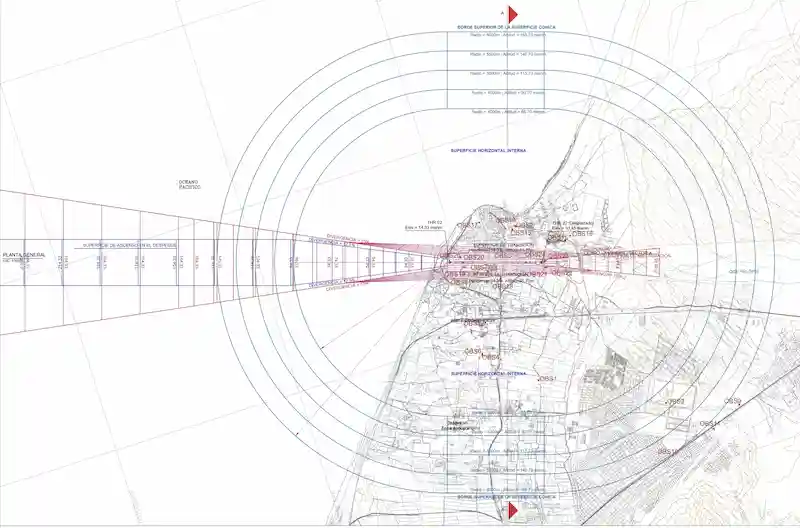
Obstacle-Free Surfaces (OFS) and Obstacle Assessment Surfaces (OES)
New Obstacle Limiting Surfaces vs. Classic Surfaces.
To overcome these limitations, the ICAO Obstacle Limitation Surfaces Working Group (OLSTF) has proposed replacing the current model with a new approach based on two complementary concepts: Obstacle Free Surfaces (OFS) and Obstacle Evaluation Surfaces (OES). The introduction of a new classification system, Aircraft Design Groups (ADGs), is also being considered to support the design and implementation of OFS and OES.
Furthermore, customized OES can be established to meet the specific needs of each aerodrome, enabling more efficient use of its surroundings.
Why does this matter?
It increases the precision of airport environment management by aligning regulations with operational realities.
It facilitates more strategic planning: investment prioritization, risk mitigation, airspace management, and sustainable urban growth.
It improves safety for aircraft, passengers, and support operations.
It allows the airport to demonstrate compliance and proactively adapt to future standards.
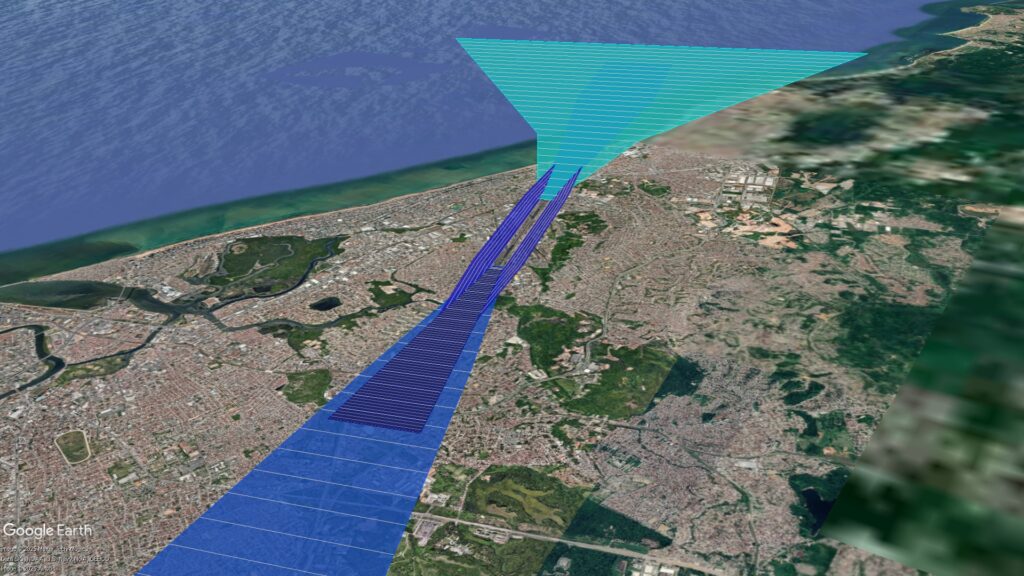
How does SCIAER support you?
At SCIAER we help aerodromes and regulators understand the new concept established by ICAO and develop the new Obstacle Free Surfaces (OFS) and Obstacle Evaluation Surfaces (OES). DISCOVER OUR COMPLETE SERVICE
We are a strategic ally in the planning, development and rehabilitation of airports.
Write to us and we will contact you as soon as possible.